
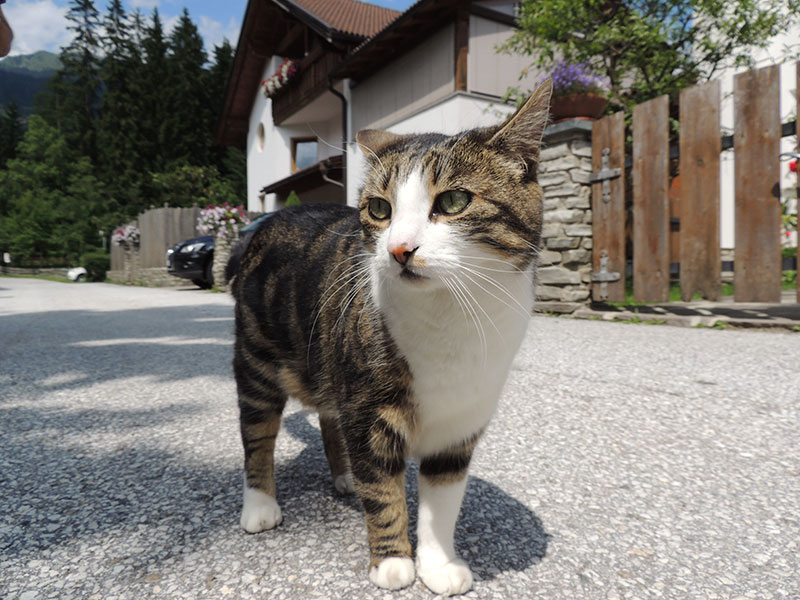
Tooth Resorption in Cats & Dogs in Beaverton, OR
Tooth resorption is one of the most common — and most painful — dental conditions in cats, and it can affect dogs as well. Because many lesions sit below the gumline, they are often missed without dental x-rays. At Premier Pet Dentistry, we diagnose tooth resorption accurately and provide treatment that brings lasting relief.
What Is Tooth Resorption?
Tooth resorption is a progressive process in which the body’s own cells break down the hard structure of a tooth, starting at the root or near the gumline. Over time, the tooth weakens, the sensitive inner layers become exposed, and the crown may break away, leaving root fragments behind. The exact cause is not fully understood, and the condition cannot currently be prevented, which makes early detection especially important.
Studies suggest a large percentage of adult cats develop at least one resorptive lesion during their lifetime. The condition is also seen in dogs, though less often.
Signs Your Cat May Have Tooth Resorption
- Red gum tissue growing over part of a tooth
- Jaw chattering or flinching when the mouth is touched
- Dropping food, chewing on one side, or swallowing kibble whole
- Drooling, blood-tinged saliva, or bad breath
- Grooming less, hiding, or becoming irritable
Many cats show no obvious signs at all, which is why full-mouth dental radiographs are essential during every dental evaluation.
How We Treat Tooth Resorption
Dental x-rays determine the type of resorption and how much of the root remains. Depending on what we find, Dr. Martin may recommend complete extraction of the affected tooth and its roots, or a technique called crown amputation with intentional root retention when the roots are already being replaced by bone and there is no infection. Both are performed through our oral surgery service with careful pain management and a customized anesthetic protocol.
Because tooth resorption frequently occurs alongside periodontal disease and, in some cats, feline stomatitis, we evaluate the entire mouth so all sources of pain are addressed. Explore our veterinary dental services, learn about oral medicine, or view our full list of conditions treated.
Tooth Resorption FAQs
Is tooth resorption painful for cats?
Yes. Once a lesion reaches the sensitive inner layers of the tooth, it can be very painful, even though most cats hide their discomfort and keep eating.
Can tooth resorption be filled or restored?
Restorations have not proven effective long term because the resorptive process continues beneath the filling. Extraction or crown amputation is the standard of care.
Why are dental x-rays needed to diagnose tooth resorption?
Many resorptive lesions start at the root, below the gumline, where they cannot be seen during a visual exam. X-rays reveal the type and extent of the lesion and guide treatment.
Can tooth resorption be prevented?
The cause is not fully understood, and there is currently no known way to prevent it. Regular exams and dental x-rays help catch lesions early.
Will my cat be able to eat after extractions?
Yes. Cats eat very well after extractions, often better than before, because the source of pain has been removed.
Do dogs get tooth resorption?
Yes. While it is most common in cats, dogs can also develop tooth resorption, which is diagnosed and treated in a similar way.
Relieve Your Pet’s Hidden Tooth Pain
Call 503-PREMIER ((503) 773-6437) or request an appointment with Premier Pet Dentistry in Beaverton, OR . We proudly care for dogs and cats from Beaverton and across the Portland metro.