
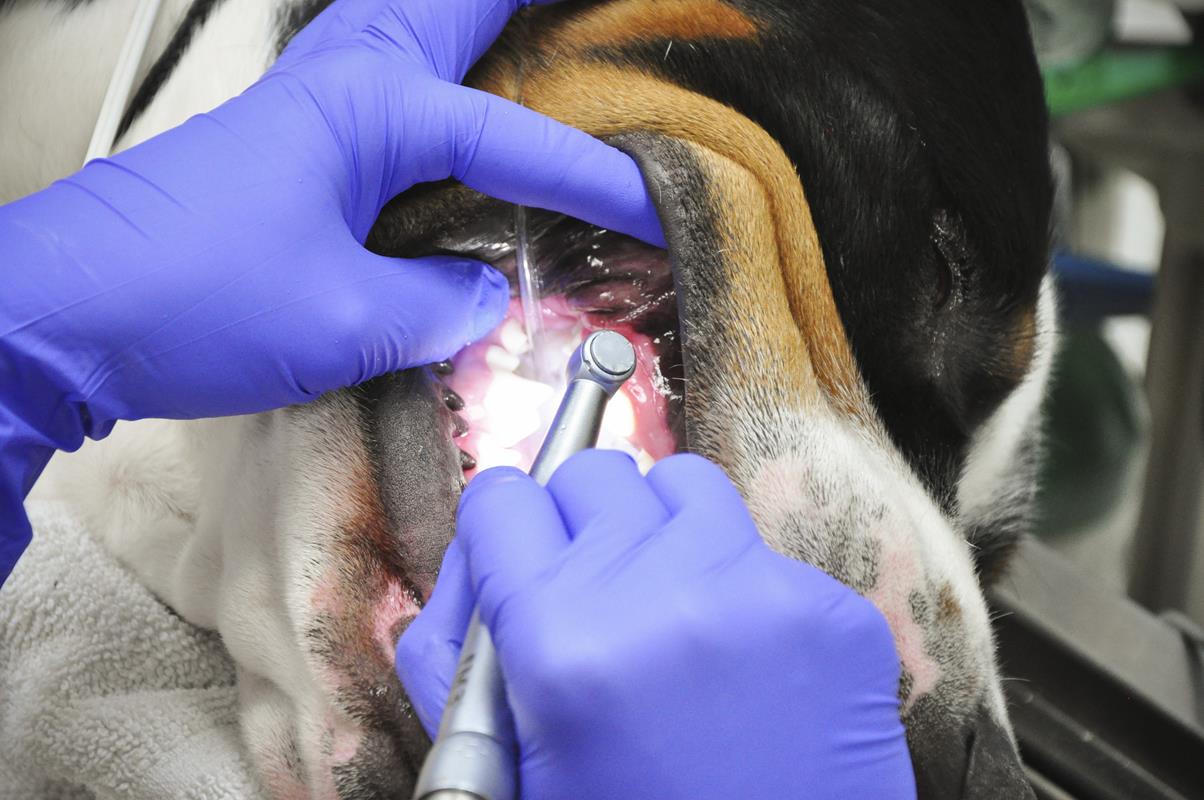
Pet Dentistry FAQs in Beaverton, OR
At Premier Pet Dentistry, we know that dental care for dogs and cats raises a lot of questions — about anesthesia, cost, insurance, and whether treatment is truly necessary for a pet who seems perfectly fine. Below you’ll find honest, detailed answers from our veterinary dentistry team to the questions pet owners and referring veterinarians ask us most often.
Answers From a Referral Veterinary Dentistry Practice
Premier Pet Dentistry is a referral practice dedicated entirely to veterinary dentistry and oral surgery. We partner with your primary care veterinarian so your pet receives specialized care for the mouth while their regular vet continues to oversee overall wellness. Whether your pet needs treatment for periodontal disease, a fractured tooth, or oral surgery, our goal is to help you make informed, confident decisions.
If you don’t see your question answered here, explore our periodontics, endodontics, and orthodontics pages, review the conditions we treat, learn why families choose us, or contact our office at 503-PREMIER ((503) 773-6437). New clients can begin with our new client registration, and veterinarians can use our online referral form.
Frequently Asked Questions About Veterinary Dentistry
What types of dental problems does Dr. Martin treat?
If it concerns the mouth, it’s within our scope of care. Veterinary dentistry covers the teeth and their supporting structures, including the gums, lips, tongue, jaw, nose, and salivary glands. Our work spans six disciplines: periodontics (professional cleanings, gingivitis, periodontal disease, bone loss), endodontics (fractured or discolored teeth, root canal treatment, vital pulpotomy), oral medicine (oral masses, tumors, CCUS, and stomatitis), restoratives and prosthodontics (cavities, enamel defects, sealants, abrasion, working dog care, metal crowns), orthodontics (bite evaluation, malocclusion, crown extensions, incline planes, custom appliances, interceptive extractions), and oral surgery (extractions, tooth resorption, oronasal fistulas, cleft palate repair, tumor removal, oral trauma, and jaw fractures).
What types of treatment does Dr. Martin perform?
Most dental treatments available to people are also available to pets. Dr. Rebecca Martin performs everything from root canals, metal crowns, braces, and orthodontic appliances to mandibulectomy for oral cancer, gunshot wound reconstruction, and palatal surgery. She explains every option for your pet’s condition along with the pros and cons, then tailors a practical plan based on your pet’s overall health, dental status, temperament for home care, activity level, anesthetic risk, and your family’s goals.
My pet doesn’t act like anything is bothering them. Is treatment really necessary?
We hear this every day. Pets instinctively hide pain, and because they must eat to survive, a normal appetite is not a reliable sign of a healthy mouth. Instead, pets adjust in subtle ways — chewing on one side, dropping food, grooming less, playing less, or becoming withdrawn or irritable. Mouth pain is often recognized only after it is gone, and many owners tell us their pet acts younger and more energetic after treatment. A pet that stops eating because of mouth pain is one of the rare true dental emergencies.
How much does veterinary dental treatment cost?
Cost depends on what we find, and we cannot quote accurately without examining your pet. New findings are common once a pet is under anesthesia and full-mouth dental x-rays are complete. To make budgeting easier, Dr. Martin uses a tiered fee structure that categorizes each case as minor, typical, or major. After your consultation, we work with your primary veterinarian to prepare accurate treatment plans for the options discussed, and estimates are honored for 60 days.
Why does my pet’s treatment appear on my primary veterinarian’s invoice?
When Dr. Martin provides care at a partner hospital, the primary hospital combines our referral dental fee with their anesthesia and medication fees into a single invoice. Only a few items typically incur additional fees, such as bone graft material, custom metal crowns, and histopathology testing.
What forms of payment do you accept?
Payment is due in full at the time of service. We accept CareCredit and all major credit cards, and cash payments receive a 5% courtesy discount. We do not accept checks. Flexible financing is also available through our Payment Plans page.
Do you accept pet insurance?
We are happy to help with your pet insurance claim. Many policies do not cover routine dental cleanings without wellness coverage, but they often cover tooth fractures, trauma, and periodontal treatment. Most insurers request medical records and a paid invoice and then reimburse you for the covered amount. We can help with claim submission and, in some cases, with pre-approval during treatment planning.
Is my pet too old for dental care?
Age is not a disease. Senior pets may have more than one condition to manage, and the majority of our patients are seniors. Dr. Martin has extra training in anesthesia and pain management, and her experience allows her to work efficiently, which often means shorter anesthesia time and faster recovery. If extensive work is needed, we may split treatment into stages or prioritize the most important care.
Can I use the dental cleaning in my vet’s wellness plan with your services?
Often, yes. We can coordinate with your regular veterinarian to supervise or provide input during their cleaning, or review their findings and x-rays afterward. We call this approach staging. In many cases two well-planned anesthetic procedures are better for your pet than one long one, and having diagnostic information in advance lets you make treatment decisions without the pressure of deciding while your pet is under anesthesia.
Why can’t my pet have anesthesia-free dental cleaning?
Anesthesia-free dental cleaning is a misleading term. Without anesthesia it is impossible to safely clean below the gumline, evaluate every tooth, or take dental x-rays, so the procedure is essentially a cosmetic tooth brushing that can give a false sense of security while disease progresses. The American Veterinary Dental College does not support anesthesia-free dentistry, and we encourage owners to review their guidance.
How do you keep anesthesia as safe as possible?
Anesthesia is essential for thorough dental diagnosis and treatment, and we never cut corners on safety. A pre-anesthetic exam, bloodwork, urinalysis, and sometimes x-rays or consultations with specialists such as a cardiologist or internist help us build a customized protocol. We review previous anesthetic records and adjust medications based on your pet’s history, and for pets with special needs we can collaborate with a board-certified veterinary anesthesiologist.
What is an AVDC Board Certified Veterinary Dentist?
A board-certified veterinary dentist is a veterinarian who has completed additional advanced training in dentistry and oral surgery through a residency approved by the American Veterinary Dental College (AVDC), then passed rigorous credentialing and examinations to become a Diplomate of the college. You can learn more about Dr. Martin’s training and background on our Meet the Doctors page.
Do I need a referral from my veterinarian?
Many patients are referred by their primary veterinarian, which helps us review records and x-rays in advance. Pet owners may also contact us directly by completing our new client registration. If you don’t have a regular veterinarian or have recently moved, we may be able to help you find one in your area.
Does Dr. Martin travel to other veterinary hospitals?
Dr. Martin and her team prefer to work out of the Beaverton office, but she can travel to your primary veterinarian’s hospital on request. Let us know how we can help and we will do our best to accommodate.
What are the signs of dental disease in dogs and cats?
Common signs include bad breath, red or bleeding gums, tartar buildup, broken or discolored teeth, drooling, pawing at the mouth, chewing on one side, dropping food, facial swelling, nasal discharge, and changes in behavior or energy. Many problems are invisible without dental x-rays, so regular oral exams are important.
Are dental x-rays really necessary?
Yes. More than half of each tooth sits below the gumline, and problems like tooth resorption, root abscesses, bone loss, and retained roots cannot be seen during a visual exam. Full-mouth dental radiographs let us diagnose accurately and choose the most appropriate treatment.
Do you always recommend extracting damaged teeth?
No. Extraction is usually the least desirable option. Whenever practical, we look for ways to save important teeth through root canal therapy, restorations, crowns, or periodontal treatment. Our goal is to restore comfort and function with a plan that is sustainable for your pet and your family.
How do I schedule an appointment?
New clients can complete our online new client registration, and our team will call with availability to book an appointment. Returning clients can reply to any previous email or use the form on our New/Returning Clients page. You can also call 503-PREMIER ((503) 773-6437) during business hours.
Still Have Questions About Your Pet’s Dental Care?
Our team is happy to talk through your pet’s needs, coordinate with your primary veterinarian, and help you understand every option. Call 503-PREMIER ((503) 773-6437) or request an appointment with Premier Pet Dentistry in Beaverton, OR today.