
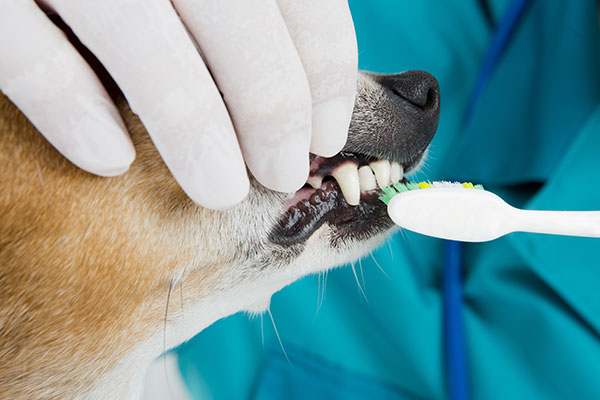
Pet Dental Conditions We Treat in Beaverton, OR
Dogs and cats are experts at hiding mouth pain, which means dental conditions often progress quietly until they affect your pet’s comfort, behavior, and overall health. At Premier Pet Dentistry, we diagnose and treat the full range of oral and dental conditions in pets — from common periodontal disease to complex jaw fractures and oral tumors.
Dental and Oral Conditions in Dogs and Cats
Our veterinary dentistry team uses full-mouth dental x-rays, a thorough oral exam under anesthesia, and a careful review of your pet’s history to identify problems that are often invisible from the outside. Explore the conditions below to learn about symptoms, causes, and treatment options:
- Periodontal Disease — the most common clinical problem in adult dogs and cats, involving infection of the gums and bone that support the teeth.
- Fractured Teeth — broken teeth that may expose the sensitive pulp and lead to pain and infection.
- Tooth Resorption — a painful, progressive condition where the tooth structure breaks down, especially common in cats.
- Feline Stomatitis — severe, painful inflammation of the oral tissues in cats.
- Oral Tumors — benign and malignant masses of the gums, jaw, tongue, and oral tissues.
- Malocclusion — bite problems that cause teeth to strike other teeth or soft tissue.
- Retained Baby Teeth — persistent deciduous teeth that crowd adult teeth and alter the bite.
- Jaw Fractures — traumatic injuries to the upper or lower jaw.
- Cleft Palate — congenital or traumatic openings in the roof of the mouth.
- Oronasal Fistula — an abnormal opening between the mouth and nasal cavity.
How We Approach Treatment
Every condition is treated through one or more of our veterinary dental services, including periodontics, endodontics, restoratives and prosthodontics, oral medicine, orthodontics, and oral surgery. Dr. Martin explains every option, including prognosis and the home care each choice requires, so you can choose the plan that fits your pet and your family.
Pet Dental Conditions FAQs
How do I know if my pet has a dental condition?
Watch for bad breath, red or bleeding gums, broken or discolored teeth, drooling, pawing at the face, chewing on one side, dropping food, facial swelling, nasal discharge, or changes in energy and behavior. Many conditions show no outward signs, so regular oral exams and dental x-rays are important.
Which dental conditions are most common in pets?
Periodontal disease is by far the most common, affecting most dogs and cats by age three. Fractured teeth, tooth resorption in cats, and retained baby teeth in small-breed dogs are also very common.
Can dental conditions affect my pet’s overall health?
Yes. Oral infections and inflammation have been associated with changes in the heart, liver, and kidneys, and chronic mouth pain affects appetite, behavior, and quality of life.
Do all dental conditions require anesthesia to treat?
Thorough diagnosis and treatment require general anesthesia so we can take dental x-rays, examine below the gumline, and treat safely and comfortably. Every protocol is customized to your pet’s health.
Is a dental condition ever an emergency?
A pet that stops eating due to mouth pain, a freshly fractured tooth with exposed pulp, a jaw injury, significant facial swelling, or bleeding from the mouth should be seen promptly. Contact your veterinarian or our office right away.
Do I need a referral to have my pet’s condition treated?
Many pets are referred by their primary veterinarian, but pet owners may also contact us directly through our new client registration.
Get Answers About Your Pet’s Oral Health
If you’ve noticed changes in your pet’s mouth, eating habits, or behavior, our team is here to help. Call 503-PREMIER ((503) 773-6437) or request an appointment with Premier Pet Dentistry in Beaverton, OR .